
Mount Rinjani 2 Days Summit Itinerary & Trekking Guide
Mount Rinjani 2 Days Summit: Itinerary & Trekking Guide
A Mount Rinjani 2 Days Summit trek is designed for travelers who want to experience the summit of Mount Rinjani while working with a limited travel schedule. The itinerary is short, but the physical demands are significant because the trek combines long walking hours, steep climbs, high elevation, and an early-morning summit ascent.
Understanding the route and daily schedule before departure is essential. With proper physical preparation, suitable equipment, and experienced trekking support, travelers can approach this challenging itinerary with realistic expectations.
What Is a 2-Day Mount Rinjani Summit Trek?
A two-day summit trek is a compact itinerary focused primarily on reaching the summit of Mount Rinjani. The program generally involves ascending from the trailhead, camping at a designated high-elevation area, making an early summit attempt, and then continuing the descent according to the selected route.
Because the schedule is compressed, this program is more physically demanding than longer itineraries that distribute the walking distance across additional days. Travelers should consider their fitness level before choosing this option.
For a wider overview of available trekking routes and programs, you can read this guide to Trekking Mount Rinjani.
Who Is This Trek Suitable For?
The two-day summit itinerary is generally intended for trekkers who are comfortable with prolonged uphill and downhill walking and who have prepared for a demanding mountain schedule. Previous hiking experience can be helpful, although physical preparation is particularly important.
Beginners should not choose the itinerary simply because it takes fewer days. A shorter trekking program can require a higher level of effort per day. Regular walking, hiking, stair climbing, and leg-strength exercises can help prepare the body before departure.
Day 1: Sembalun to the Camping Area
The first day typically begins from the Sembalun area. After completing the necessary preparations, trekkers start walking through the lower sections of the route toward higher elevations.
Morning: Starting the Trek
The initial part of the journey passes through open landscapes and grassland. The terrain may appear manageable at first, but the accumulated walking distance and elevation gain gradually increase the physical demands.
Maintaining a comfortable pace is important. Avoid spending too much energy during the early stages because the later sections require continued effort.
Afternoon: Continuing Toward Higher Ground
As the trail gains elevation, the terrain becomes more demanding. Uphill sections require controlled breathing and a consistent rhythm. Regular short breaks can be useful when necessary.
Weather conditions may also change as elevation increases. Trekkers should keep rain protection and additional clothing accessible rather than storing them at the bottom of the backpack.
Evening: Camping Before the Summit Push
The first day ends at the designated camping area. This is an important recovery period before the summit attempt. Eat adequately, stay hydrated, prepare your equipment, and try to rest as much as the schedule allows.

Day 2: Summit Attempt and Descent
The second day is usually the most demanding part of the itinerary. The summit attempt begins very early, allowing trekkers to make the ascent during the darker and colder hours before sunrise.
Early Morning: Summit Ascent
The upper trail includes steep terrain and loose volcanic material. Each step can require additional effort because the surface may shift underfoot. A slow and controlled pace is often more sustainable than attempting to climb quickly.
Temperatures at high elevation can also be cold, while strong winds may make conditions feel more challenging. Warm layers, gloves, and suitable footwear are therefore important.
Sunrise at the Summit
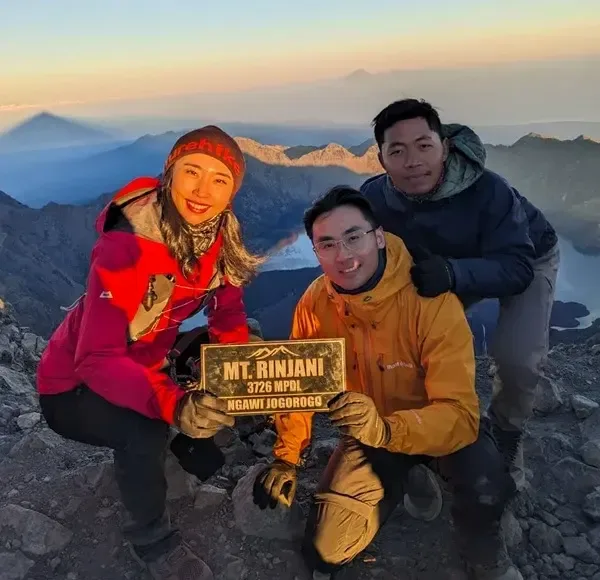
Reaching the summit around sunrise can provide expansive views across Lombok and the surrounding volcanic landscape. On clear days, the changing light creates a memorable perspective of the mountain ridges and distant scenery.
The summit should not be treated as a race. Trekkers should follow the pace and safety guidance of their trekking team, particularly when conditions are cold, windy, or visibility is limited.
Descending From the Summit
After the summit experience, trekkers begin the descent toward the lower areas. Descending can place considerable strain on the legs, especially after the early-morning ascent.
Use controlled steps and maintain awareness of loose rocks and volcanic sand. Conserving energy remains important because the journey is not finished after reaching the summit.
What Makes the 2-Day Summit Trek Challenging?
Several factors contribute to the difficulty of this itinerary. The biggest challenge is the combination of elevation gain and limited recovery time. Trekkers must complete substantial walking within two days.
- Long trekking hours
- Steep uphill sections
- Loose volcanic terrain
- High elevation
- Cold temperatures before sunrise
- Early-morning summit ascent
- Long descent after reaching the summit
Understanding these conditions allows travelers to prepare more effectively and choose the itinerary based on their actual physical ability.

How to Prepare for the Trek
Build Cardiovascular Endurance
Regular walking, jogging, cycling, hiking, or stair climbing can help improve cardiovascular endurance. Increase your training gradually instead of attempting very long sessions immediately before the trip.
Strengthen Your Legs
Squats, lunges, step-ups, and other leg exercises can help prepare your muscles for prolonged uphill and downhill movement. Stronger legs can also make it easier to maintain stability on uneven terrain.
Practice Uphill Walking
Whenever possible, include hills or stairs in your training. The summit section requires a different effort from walking on flat ground, so practicing elevation gain can be particularly useful.
Get Comfortable With Your Equipment
Wear your trekking shoes during training and test your backpack before departure. Equipment that feels comfortable during a short practice walk may feel very different after several hours of climbing.
Essential Equipment for the Summit
Because the summit ascent takes place during cold and dark conditions, appropriate equipment is especially important.
- Trekking shoes with good grip
- Warm jacket or insulating layers
- Gloves
- Headlamp with spare batteries
- Rain protection
- Comfortable trekking clothing
- Water bottle or hydration system
- Energy-rich snacks
- Sun protection for the descent
- Personal medication
Pack carefully and avoid unnecessary items. Carrying excessive weight can increase fatigue during the long ascent and descent.
Food, Water, and Energy Management
Maintaining energy is important during a compressed trekking schedule. Eat adequately before starting the summit ascent and bring convenient snacks that can be consumed during short breaks.
Hydration should also be managed throughout the trek. Drink regularly according to your needs and trekking conditions. Avoid waiting until you become extremely thirsty before drinking.
If you experience unusual weakness, severe dizziness, breathing difficulties, or other concerning symptoms, inform your guide immediately and follow the trekking team's safety instructions.
What Is Included in a Summit Trekking Package?
The exact inclusions depend on the trekking organizer and selected program. Travelers should confirm these details before departure.
- Trekking guide
- Porter support where applicable
- Meals during the program
- Camping equipment according to the itinerary
- Transportation related to the trekking schedule
- Support and coordination during the trek
Personal items such as trekking shoes, clothing, medication, and personal toiletries generally need to be prepared individually. You can also review this Rinjani Trekking Package guide for more information about organizing a trekking program.
Why Choose Trekkingmountrinjani.com?
Trekkingmountrinjani.com is a Rinjani Trekking Company providing organized trekking services for travelers exploring Mount Rinjani in Lombok. Its services include Rinjani Trekking Package, Trekking Mount Rinjani, Mount Rinjani Trekking, Rinjani For Beginners, and Trekking Rinjani Lombok.
Local trekking support can be particularly useful during a demanding summit itinerary. Guides can provide information about the route, terrain, weather conditions, rest points, trekking pace, and daily schedule.
Before booking, review the complete itinerary and confirm the services provided. Understanding the arrangements in advance allows you to prepare your personal equipment and physical condition appropriately.
Tips for a Successful 2-Day Summit Trek
- Train several weeks beforehand. Focus on endurance, leg strength, and uphill walking.
- Do not rush the first day. Save energy for the early-morning summit ascent.
- Prepare your equipment before camping. Keep your headlamp, warm clothing, and other essentials accessible.
- Maintain a steady pace. Slow and consistent movement can be more sustainable on steep terrain.
- Stay hydrated and eat regularly. Your body needs sufficient fuel throughout the itinerary.
- Dress for cold conditions. Higher elevations can become particularly cold before sunrise.
- Follow your guide's instructions. Local knowledge is valuable when conditions change.
- Respect your physical limits. Safety should remain more important than reaching a specific point.
Planning Your Rinjani Summit Adventure
A two-day summit itinerary can be an efficient option for travelers with limited time, but its compressed schedule requires serious preparation. Make sure your physical condition, equipment, travel schedule, and expectations are compatible with the demands of the trek.
It is also useful to plan transportation before and after the trek. Allow enough time to reach the starting point and recover after the descent rather than immediately scheduling another physically demanding activity.
For additional information about exploring Mount Rinjani and Lombok, you can also read this guide to Trekking Rinjani Lombok.
The Mount Rinjani summit experience can be physically demanding, particularly when completed within two days. Proper training, suitable equipment, controlled pacing, adequate hydration, and reliable trekking support can help you approach the journey more responsibly. With realistic preparation, the sunrise, volcanic landscapes, and panoramic views from the mountain can become a memorable part of your Lombok adventure.